Can You Over Treat A Tent Waterproofing Myths Debunked
How Air Flow Affects Safety And Security in Tent Home HeatingCamping tent home heating is required to delight in a comfy rest however an absence of appropriate ventilation poses health and wellness threats. Fire threats, carbon monoxide gas poisoning and dampness retention are just a few issues to consider when making use of heating units in camping tents.
Air flow style is a crucial factor for camping outdoor tents manufacturers, representatives and outdoor brand names. Understanding the elements that drive ventilation supports item durability, comfort and environment compatibility.
Appropriately Placing Heating Units
The primary safety concerns connected with tent home heating entail fire threats and oxygen exhaustion. These risks can be decreased by establishing cross-ventilation, always adhering to the manufacturer's instructions and making use of fire-resistant products for the camping tent and surrounding areas.
To lower risk, professional camping outdoor tents suppliers treat air flow as a holistic style approach. Seasonal tents commonly include irreversible mesh panels that optimize air flow for a single climate, while four-season designs employ adjustable ventilation systems. These choices permit tents to accommodate differing weather conditions while preserving comfort and toughness.
Effective ventilation depends on the pile impact of hot air rising, driving convection currents and decreasing ambient temperatures. Properly used through roofing vents and high-positioned openings, this ventilation system protects against carbon monoxide poisoning while handling wetness and condensation. It also allows for cooler replacement air to go into from ground-level openings, stabilizing air flow with temperature level control throughout peak heat.
Managing Moisture
Apart from safety concerns like carbon monoxide poisoning, wetness build-up within an outdoor tents can cause pain and decreased resting convenience. It can additionally harm camping tent textiles and products causing mildew, odor retention and shortening of their life-span.
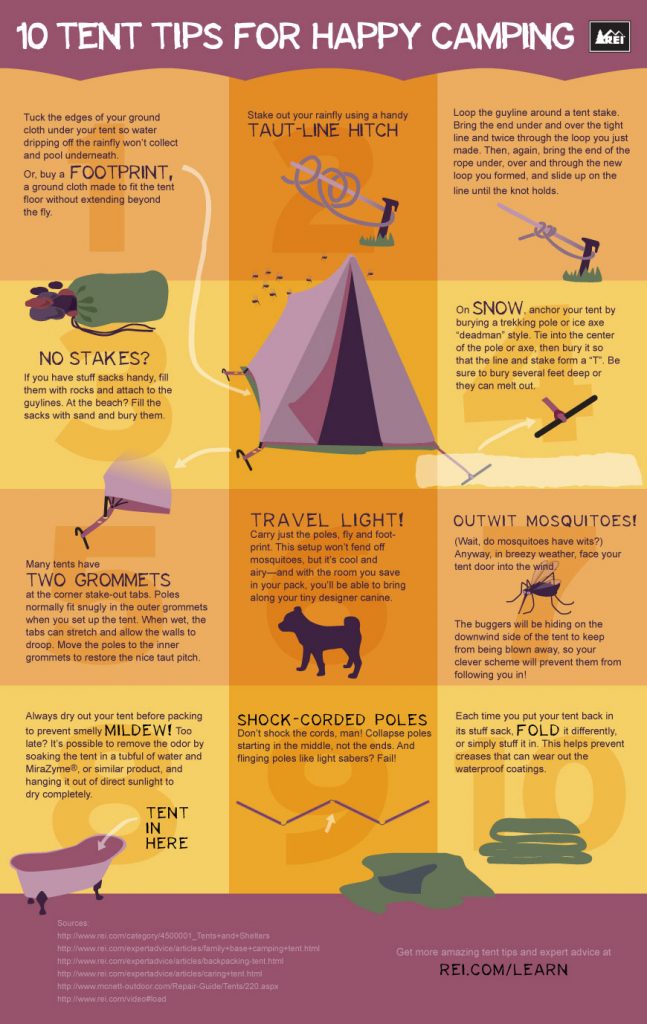
To avoid such troubles, appropriate air flow is essential. When possible, camp in locations with a natural wind to assist distribute air and keep humidity levels down. Pitch the tent to ensure that air vents and home windows are oriented in the direction of the wind, which will certainly scoop up the great air and press it back with the openings making sure that moist air doesn't obtain trapped in your camping tent.
B2B purchasers sourcing camping outdoors tents for sale, rental operations or private-label branding should prioritize air flow design as it straight influences end-user complete satisfaction, product longevity and lasting performance. Vented tent layouts provide better adaptability in environments and usage scenarios, allowing them to execute efficiently with varying temperature levels and moisture levels. Inefficient air flow leads to condensation, overheating, material deterioration and adverse responses from users.
Producing a Cross-Flow
A consistent air movement keeps the interior of outdoors tents comfortable without exposing users to unsafe problems. Proper ventilation methods enhance active cooling and warm control methods for a relaxed outdoor camping experience.
Ventilation is accomplished through calculated design, material selection and layout decisions. Specialist outdoor camping outdoor tents producers deal with air flow as a system rather than an add-on. For instance, roofing vents allow hot air to get away while ground-level openings admit cooler replacement air. This develops a natural convection existing that makes certain an also air-change price, avoiding stagnant pockets of carbon monoxide and too much moisture.
In addition to aerating a tent, it is very important to prevent breathing in things like chemicals and dust-- along with little infection bits released by people that are sick with breathing diseases. Excellent ventilation additionally reduces the chance of these particles getting to sensitive locations, such as the eyes or nose. This is why it is very important to follow the supplier guidelines for your outdoor camping equipment and to make use of a carbon monoxide gas detector while copulating a wood stove or other energetic heating unit.
Preventing Carbon Monoxide Poisoning
Carbon monoxide gas (CO) poisoning is a genuine risk when heaters are utilized inside outdoors tents and various other enclosed rooms. This anemic, odor-free gas types from insufficient combustion of timber, coal, propane and other gas. It can incapacitate or eliminate people without warning.
Correct air flow prevents carbon monoxide accumulation by allowing fresh air to circulate throughout the camping tent. It also helps manage moisture, condensation and temperature level discrepancies. Moisture accumulation, for example, increases material aging, damages finishes and creates mildew. It can additionally compromise a resting bag's or bed linen's protecting value.